
Deep drying of olefins and protection of polymerization catalysts
2026-08-19
| Section | Typical application example |
| Project Description | Equipping large pyrolysis units (ethylene cracking unit), polyethylene (PE) and polypropylene (PP) production with highly efficient adsorption drying systems located before low-temperature separation units and polymerization reactors. The task is deep dehydration of pyrogas, ethylene and propylene from moisture microimpurities to prevent icing of cryogenic equipment, the formation of hydrocarbon hydrates and reduce the activity of polymerization catalysts. |
| Products used | – Highly selective molecular sieve type 3A for ethylene drying; – Composite adsorbent HYAX360; – Type 4A molecular sieve for general and auxiliary drying; – Molecular sieve 13X-PG to remove CO₂ and some polar impurities; – Activated aluminum oxide for the front protective layer. |
| Key indicators for the customer | – Dynamic adsorption capacity for water; – Degree of ethylene co-adsorption; – Crushing strength; – Abrasion (loses due to dust); – Stability in TSA cycles; – Performance characteristics in long campaigns. |

Adsorbents and catalysts for the petrochemical industry
Petrochemical production processes are associated with the continuous processing of significant volumes of olefin raw materials, high-purity gases and intermediate products of fine organic synthesis. For key base monomers such as ethylene and propylene, the presence of trace amounts of moisture, carbon dioxide, oxygenates and other polar compounds can have a critical impact on the stability of polymerization reactions, the reliability of equipment and the service life of expensive catalysts.
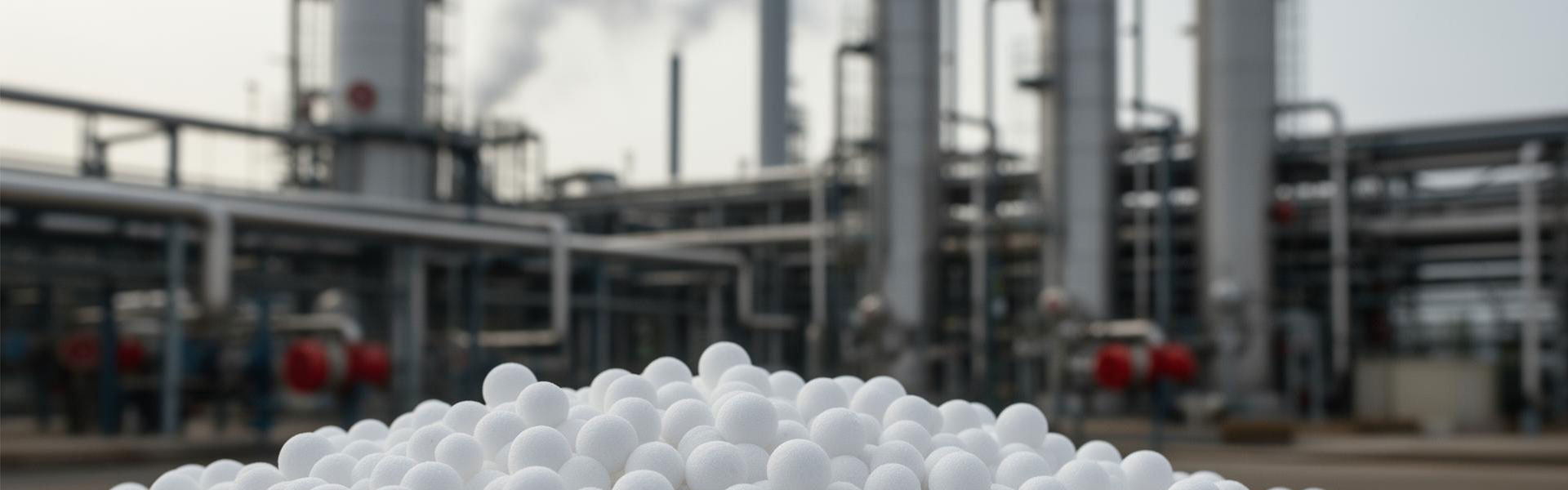
We offer high-performance molecular sieves, activated alumina and specialized catalytic materials to address the following petrochemical plant applications:
• Deep drying of olefin feedstock
• Purification of gases to polymerization quality
• Adsorption in protective layers of catalytic reactors
• Fine purification from microimpurities
Our solutions help customers improve the operational stability of plants, reduce maintenance costs and ensure continuity of the production cycle.