
Petrochemicals – Final purification (desulfurization, dechlorination, deoxygenation)
2026-08-19
Unit for complex purification of petrochemical raw materials
| Section | Description |
| Project Description | Installation of deep preliminary purification of raw materials for the processes of reforming, hydrotreating and polymerization of ethylene (PE)/propylene (PP) at a large petrochemical complex (capacity for processing hydrogen-containing reforming gas and light hydrocarbon stream - 300,000 tons/year). A multi-stage high-pressure cascade system of adsorption reactors for dechlorination, desulfurization and deoxygenation has been implemented. |
| Installation performance | Consumption of gas-phase raw materials (reformed hydrogen / circulating gas): 65,000 Nm³/h; working pressure: 3.5–4.2 MPa. Requirements for the quality of purification from chlorine and sulfur: ≤ 0.1 mg/kg at the outlet. |
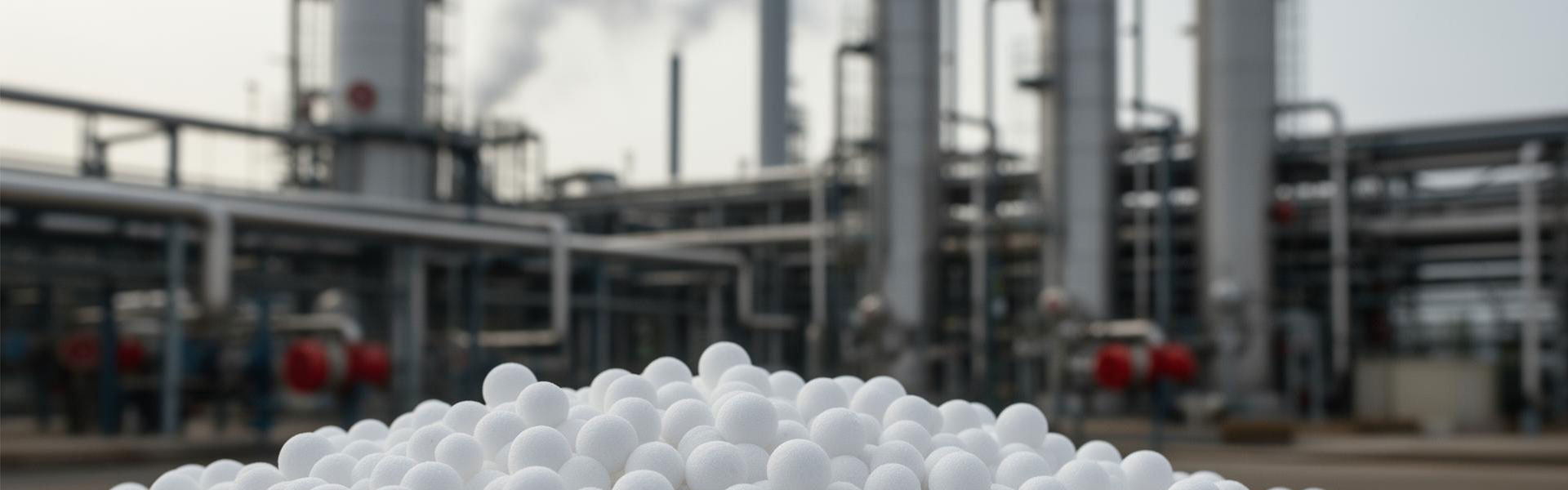
| Products used | – Specialized dechlorinating adsorbent (chemisorbent); – Molecular sieve (control of moisture and individual polar impurities); – Specialized material for desulfurization; – Low temperature deoxygenation catalyst. |
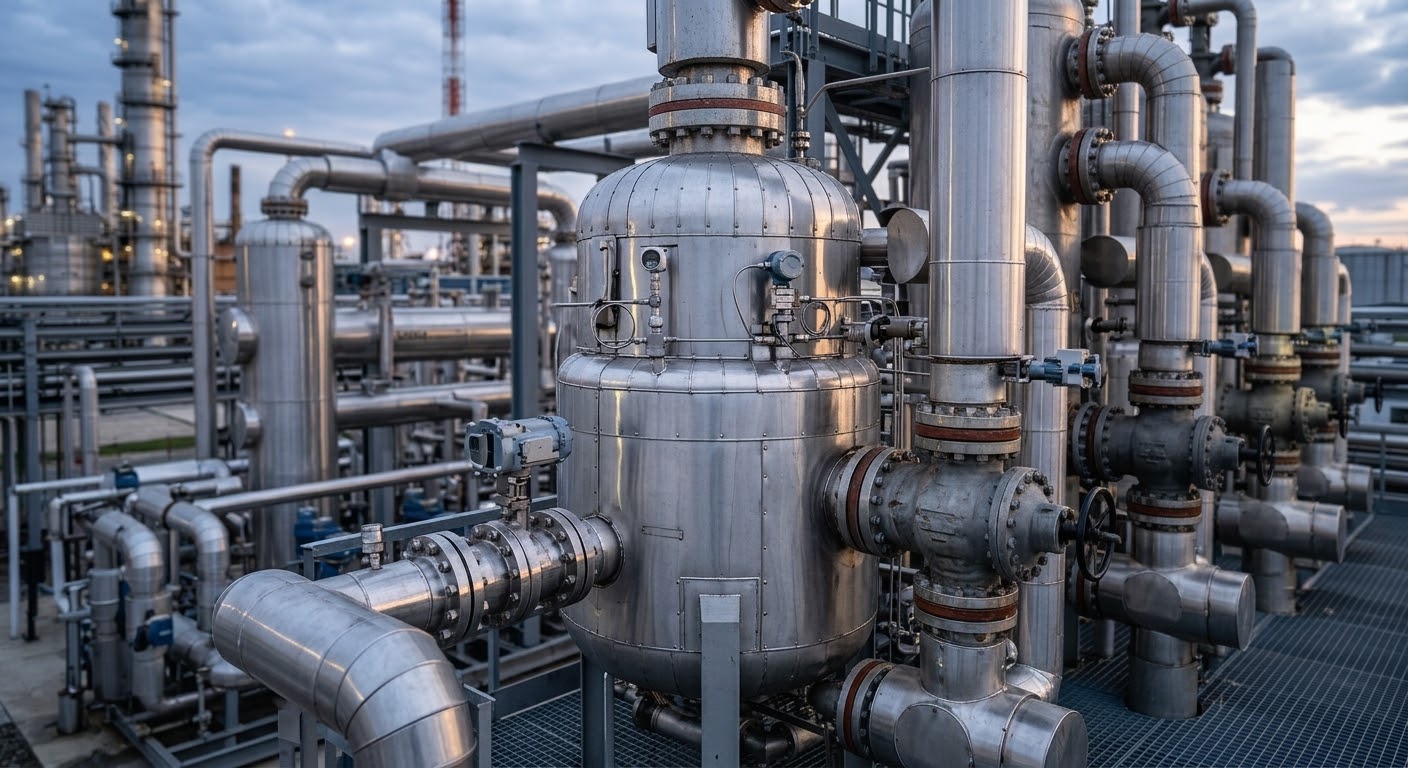
In extensive petrochemical synthetic circuits (light hydrocarbon reforming, isomerization, hydrocracking, ethylene polymerization), moisture, polar inorganic sulfur compounds, highly corrosive free chlorine, acid mist, and traces of carbon monoxide and oxygen are recognized as the most dangerous sources of corrosion and the No. 1 poison for expensive catalysts.
•Dechlorinating adsorbents:In reformers and hydrotreaters, injection of organochlorines to maintain catalyst activity results in the formation of significant amounts of HCl in the gas/liquid phase and trace organic chlorine leaks. This causes intense acid corrosion of pipelines and irreversible deactivation of catalysts for subsequent processing due to acid hydrolysis. To remove HCl, highly basic modified activated alumina or zeolites in calcium form are used. Purification occurs through the mechanism of irreversible chemisorption with the formation of thermally stable chlorides (for example, CaCl₂) fixed in the porous structure.
•Desulfurization:To remove H₂S, carbonyl sulfide (COS) and mercaptans from light and liquid hydrocarbons, specialized absorbents or chemisorbents selected for a specific type of impurity are usually required.13X-LPG can be used for moisture control and adsorption of individual polar impurities, but should not be considered as a universal material for deep removal of the entire spectrum of sulfur compounds.
•Deoxygenation:Removal of trace oxygen from unsaturated hydrocarbon streams to levels less than 0.15 ppmv is achieved through a rapid catalytic redox process at near room temperatures using transition metal materials (e.g., reduced copper, Hopcalite-type manganese-copper catalyst).
Key customer criteria when choosing adsorbents
Large modern oil refineries and petrochemical (ethylene polymerization) plants are guided by the following technical criteria:
1.Highest multifunctional cleaning depth:
Output total sulfur content ≤ 0.5 ppm;
HCl output ≤ 0.1 ppm;
Output moisture ≤ 0.1 ppmv;
Residual oxygen ≤ 0.15 ppmv.
This ensures stable and uninterrupted operation of subsequent polymerization and reforming reactors.
2.High physico-chemical integrity of granules under extreme conditions:Complete absence of softening, swelling or cracking upon contact with water and acids, prevention of dust formation and destruction that can cause clogging and an increase in pressure drop in pipelines and apparatus.