

Products

HYAN200 - adsorbent for chlorine removal
Highly efficient composite adsorption material for deep removal of chlorides from gases and liquids
Description
marker
▎Product overview
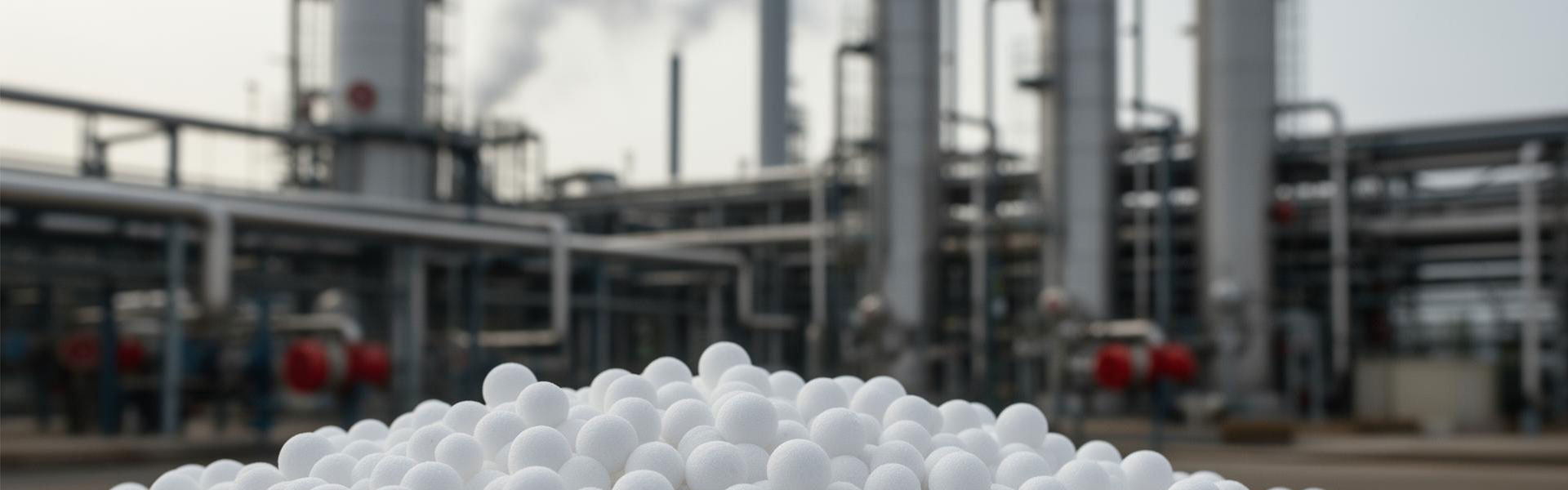
HYAN200 is a specialized chlorine removal adsorbent consisting of a porous carrier and a highly active functional component. It is specially designed for deep removal of chlorides from gas and liquid phases in the field of petrochemicals, chemical industry and industrial gas purification. In reformed hydrogen, synthesis gas, light hydrocarbons and process liquid streams, chlorides (HCl and organic chlorine) are a key cause of irreversible catalyst poisoning, acid corrosion of equipment and the formation of deposits in pipelines. HYAN200, due to the mechanism of irreversible chemisorption, stably fixes chlorides in the structure of the material, providing reliable protection for subsequent equipment.
▎Process description
HYAN200 can be loaded into a fixed bed adsorber and operated in both gas and liquid phases. When a chlorine-containing medium passes through the layer, the active components enter into a chemical reaction with HCl and organic chlorides, forming thermally highly stable metal chlorides, which are firmly fixed in the porous structure. The key process design goal is not “adsorbing capacity,” but “providing high chlorine capacity, low output concentration, and long-term bed integrity over a wide range of operating conditions.”
▎Key Benefits
• High chlorine capacity: high ability of a unit mass of adsorbent to capture chlorides
• Deep removal: output chloride concentration is reduced in a controlled manner to extremely low levels
• Irreversible chemical fixation: no risk of desorption and re-release
• Versatility for gas and liquid phases: the same product is suitable for gas and liquid media
• High mechanical strength: resistance to destruction, ensuring long-term stable operation of the layer
▎Key technical indicators
• Breakthrough chlorine capacity (wt.%)
• Outlet HCl concentration (ppmv/mg/kg)
• Operating temperature range
• Volumetric velocity of gas (h⁻¹) or liquid
• Crushing strength of granules (N/granule)
• Bulk density (kg/m³)
▎Typical Applications
• Removal of chlorine from reformed hydrogen and circulating hydrogen
• Purification of synthesis gas from chlorides
• Removal of chlorine from light and liquid hydrocarbons
• Purification of raw materials in polyolefin production plants
• Treatment of chlorine-containing waste gases in chlor-alkali production
▎Packaging
1000 kg / soft container
25kg/bag
150kg/sealed steel drum
It is not a “conventional physical adsorbent,” but an “industrial cleaning material with high chlorine capacity based on an irreversible chemical fixation mechanism.”
▎Frequently Asked Questions
Question: How is chlorine removal with HYAN200 different from chlorine removal with activated carbon or molecular sieves?
Answer: The adsorption of chlorides by activated carbon and universal molecular sieves is mainly based on physical adsorption, which is associated with problems such as low adsorption capacity, easy desorption at elevated temperatures and difficulty in regeneration. HYAN200, through a chemical reaction, converts chlorides into stable metal chlorides, which are fixed in the structure of the material. Adsorption is irreversible, chlorine capacity is higher, output concentration is lower, and there is no risk of secondary release.
contact us
Related Popular Products
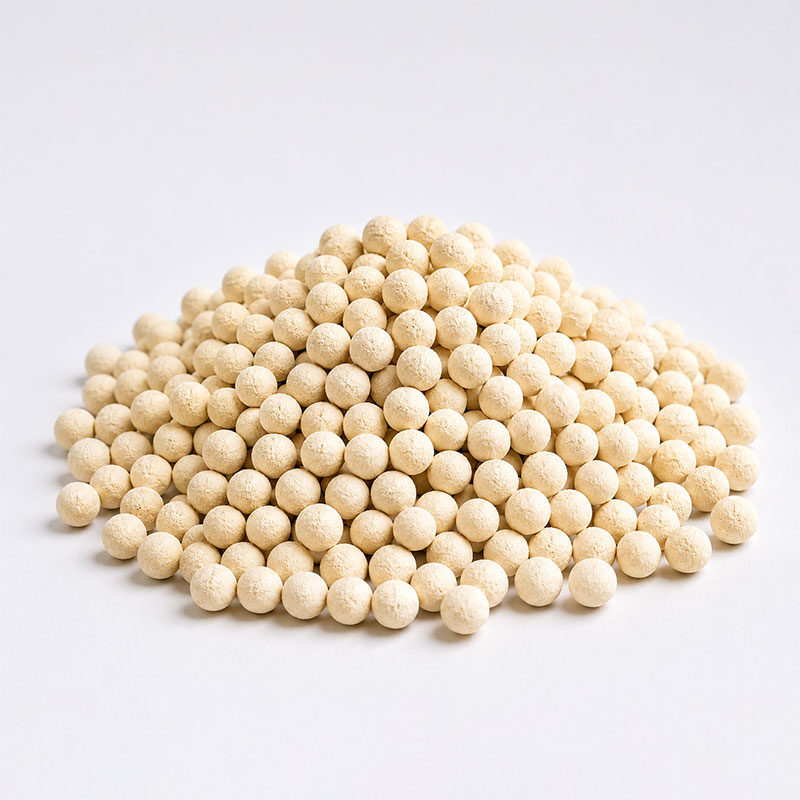
HYZ10G CO2 adsorption type
HYZ10G High efficiency molecular sieve III reinforced for cryogenic air separation (especially for high CO₂ concentrations)
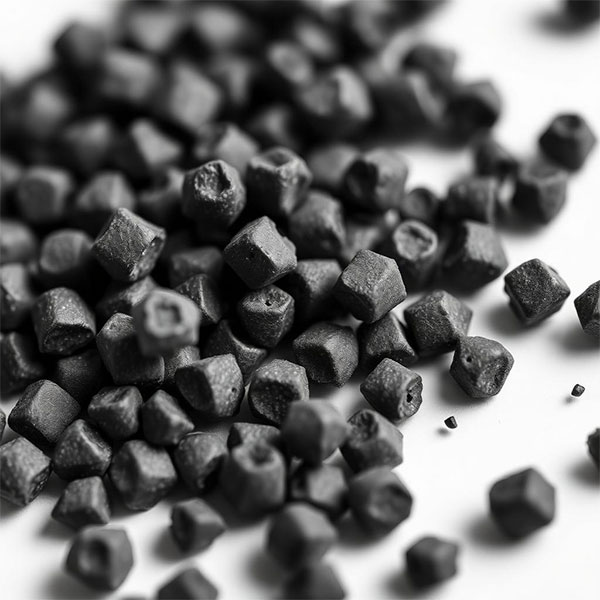
CO conversion catalyst
Catalytic-chemisorption material for deep removal of low concentrations of CO/H₂ in TSA air pre-treatment systems
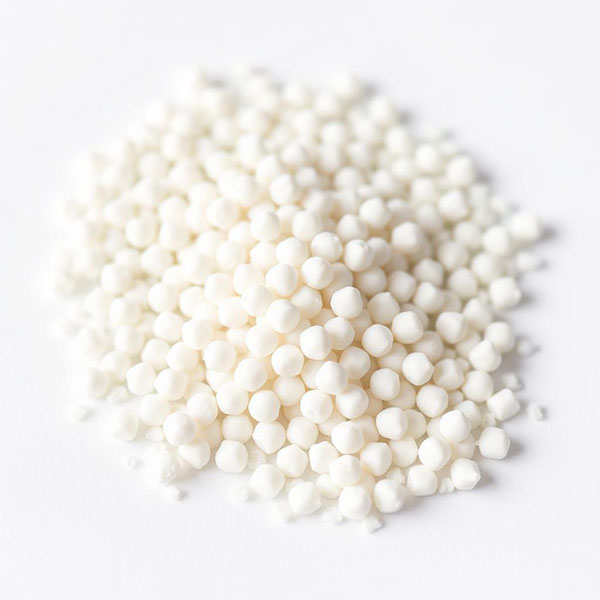
HYDB100G (Na type, special for industrial oxygen generators)
The special molecular sieve HYDB100G is a sodium aluminosilicate with a crystal lattice pore size of about 9 Å (0.9 nm).
HYAX360
HYAX360 is a modified adsorbent whose optimized composition provides optimal adsorption capacity and low reactivity.
HYGB500B for oxygen production using pressure swing adsorption method
The special molecular sieve HYGB500B is a calcium-sodium aluminosilicate with a lattice pore size of 5 Å (0.5 nm). Adsorption material for drying light alcohols and for systems with increased requirements for moisture protection.
Basic dehumidifier series - HYD10A
13X molecular sieve, high capacity adsorption material for air separation, oxygen production and deep gas purification
Molecular sieve HYZ05B
Synthetic zeolite with 5 Å pore size for selective removal of H₂S and mercaptans from natural gas and LPG while suppressing COS formation
HYG10ED CO2 adsorption type
HYG10ED is a highly efficient II generation molecular sieve for cryogenic air separation.
Basic Dryer Series - HYG04C
The HYG04C molecular sieve is a sodium aluminosilicate with a crystal pore size of 4 Å (0.4 nm). Suitable for gas separation and purification systems requiring selective control of pore size. It is widely used in natural gas processing, PSA hydrogen production, hydrocarbon separation, petrochemical pretreatment and industrial gas purification, especially in applications that require the separation of normal hydrocarbons and the removal of specific impurities.
Ethylene oxide catalyst
Silver catalytic system for direct oxidation of ethylene to ethylene oxide
HYGB500A (PSA-H2) for hydrogen production using PSA method
The special molecular sieve HYGB500A is a calcium-sodium aluminosilicate with a crystal lattice pore size of 5 Å (0.5 nm).
Basic dehumidifier series - HYD03B
Moisture-absorbing adsorption material for dehydration of light alcohols and systems with increased moisture protection
HYGB100C (Li-LSX) Li type, special for industrial oxygen generators
The special molecular sieve HYGB100C is a lithium zeolite with a relatively stable aluminosilicate framework structure.
HYD08D N2O and HC adsorption type
The HYD08D molecular sieve is a sodium aluminosilicate with a crystal pore size of 8 Å (about 0.8 nm). Designed to remove nitrogen oxides and light hydrocarbons.
Basic Dryer Series - HYD03C
The HYG03C molecular sieve is a potassium sodium aluminosilicate with a crystal pore size of 3 Å (0.3 nm).
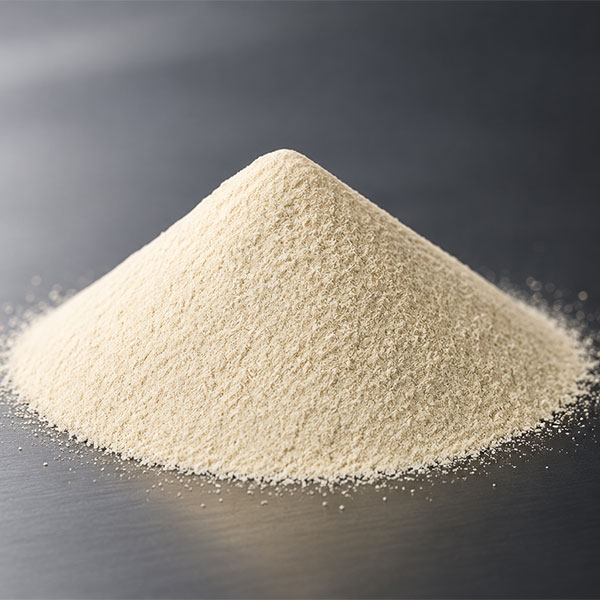
Activated Molecular Sieve Powder
Functional powder material for moisture control, foam removal and improved formulation stability.


