

Products

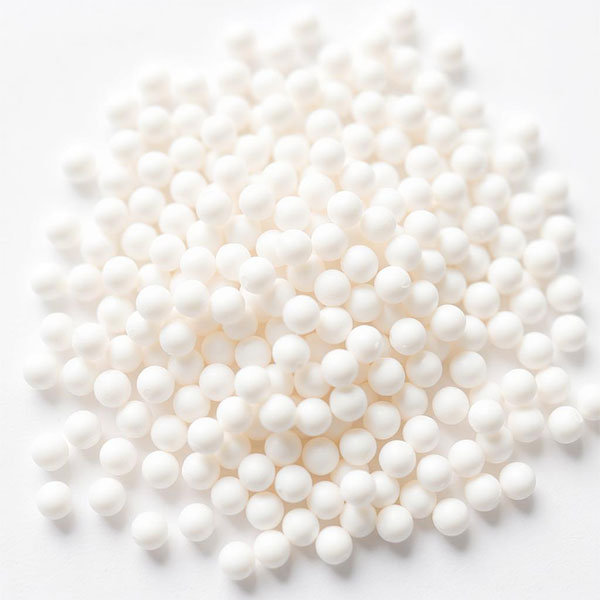
Basic dehumidifier series - HYD03B
Moisture-absorbing adsorption material for dehydration of light alcohols and systems with increased moisture protection
Description
marker
▎Product overview
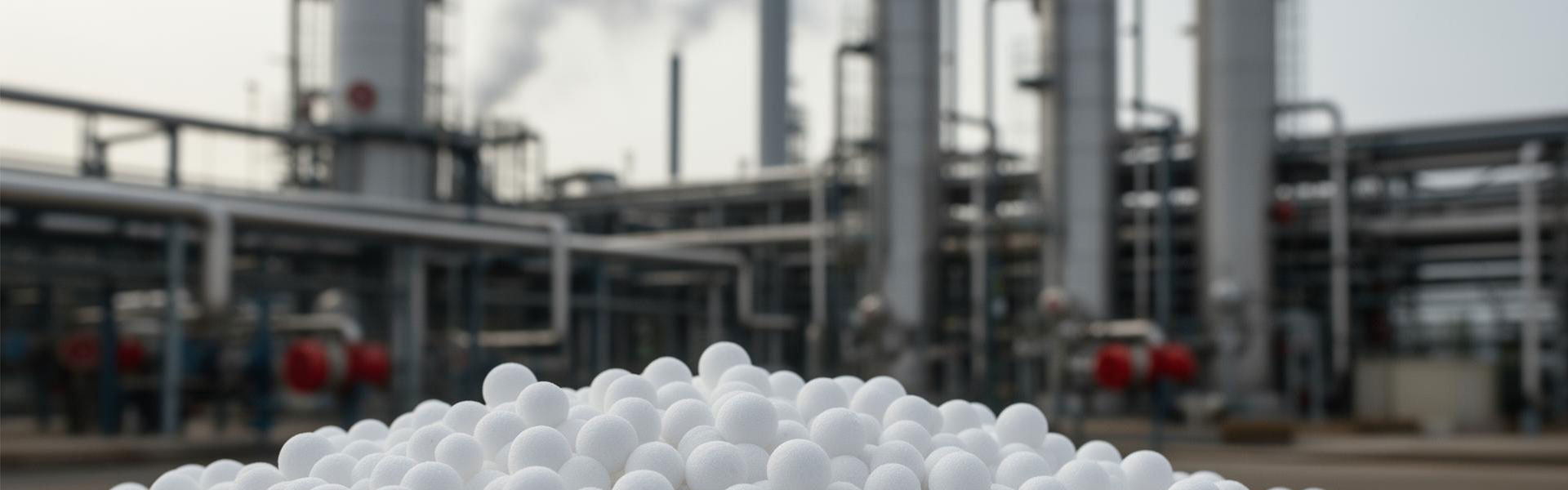
3A molecular sieve is an industrial adsorption material for selective dewatering. The pore size is approximately 3 Å, which allows for the preferential adsorption of water while excluding larger organic molecules. It is especially suitable for systems that are extremely sensitive to moisture, such as dehydration of light alcohols, protection of polymers from moisture, production of adhesives, sealants, paint coatings, drying of solvents and other materials.
▎Application areas
• Drying of petroleum cracking gases and unsaturated hydrocarbon products (such as ethylene, propylene, butadiene, acetylene and other materials).
• Drying of benzene, toluene, xylene and other solvents (such as methanol, ethanol).
• Dehydration of natural gas and prevention of COS formation.
• Drying of food grade carbon dioxide.
• Drying of kerosene and jet fuel.
▎Standard packaging
150 kg
Sealed steel drum
▎Key benefits
• High selectivity towards water
• Suitable for dehydration of light alcohols and polar solvents
• Helps reduce the risk of blistering, foaming and hydrolysis
• Low dust formation, low abrasion
• Applicable in both static and dynamic adsorption systems
• Stable regeneration characteristics
▎Recommendations for selection
If your process requires “adsorbing only water to the exclusion of larger organic molecules,” the 3A molecular sieve is the most suitable choice, especially for dewatering light alcohols, controlling the moisture content of solvents and formulating systems with increased moisture protection.
▎Precautions
• The product easily absorbs moisture, so it should not be left outdoors. Store in a dry place.
• After a certain period of adsorption, regeneration can be carried out. The recommended regeneration temperature is not higher than 350 °C.
▎Frequently asked questions
Question: Why is 3A better for dehydrating light alcohols than 4A?
Answer: This is because 3A molecular sieve has a smaller pore size and higher selectivity towards water, which can effectively avoid the simultaneous adsorption of larger molecules such as ethanol and methanol.
contact us
Related Popular Products
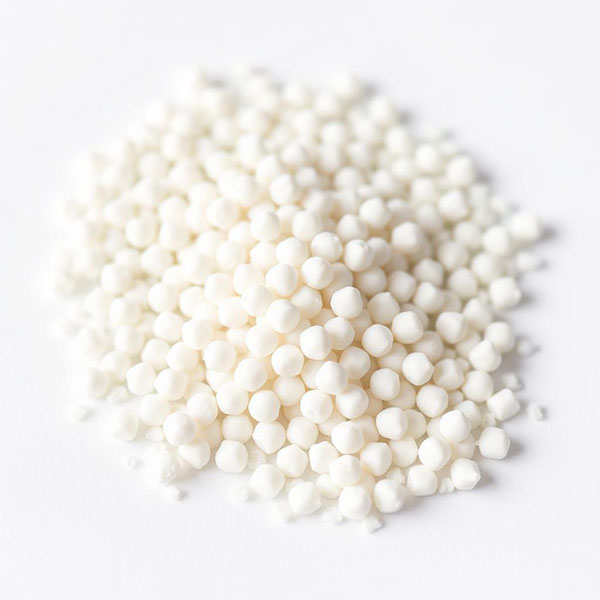
HYGB100C (Li-LSX) Li type, special for industrial oxygen generators
The special molecular sieve HYGB100C is a lithium zeolite with a relatively stable aluminosilicate framework structure.
HYAX360
HYAX360 is a modified adsorbent whose optimized composition provides optimal adsorption capacity and low reactivity.
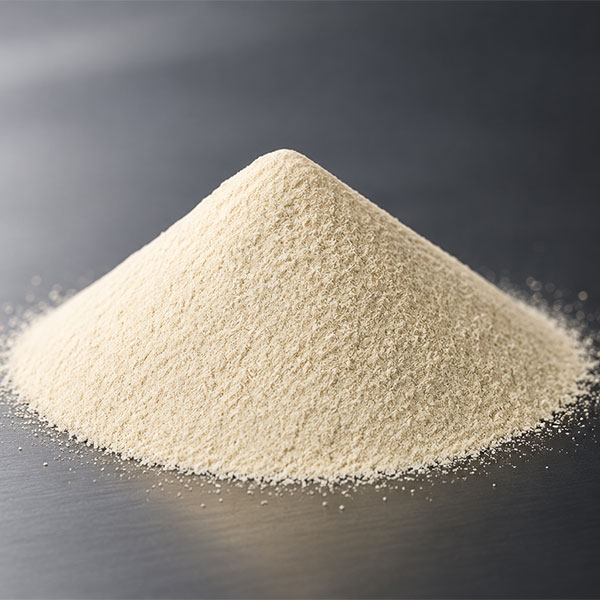
Activated Molecular Sieve Powder
Functional powder material for moisture control, foam removal and improved formulation stability.
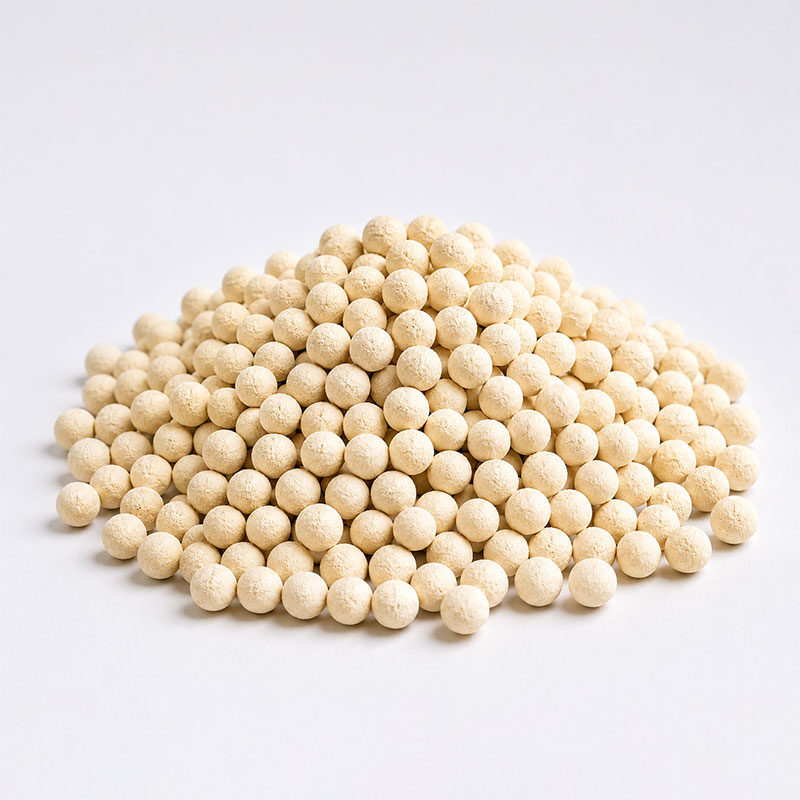
Basic Dryer Series - HYG04DG
Molecular sieve HYG04DG is a sodium aluminosilicate. The 5A molecular sieve has a pore size of approximately 5 Å and is suitable for gas separation and purification systems requiring selective control of pore size. It is widely used in natural gas processing, PSA hydrogen production, hydrocarbon separation, petrochemical pretreatment and industrial gas purification, especially in applications that require the separation of normal hydrocarbons and the removal of specific impurities.
Basic Dryer Series - HYD03C
The HYG03C molecular sieve is a potassium sodium aluminosilicate with a crystal pore size of 3 Å (0.3 nm).
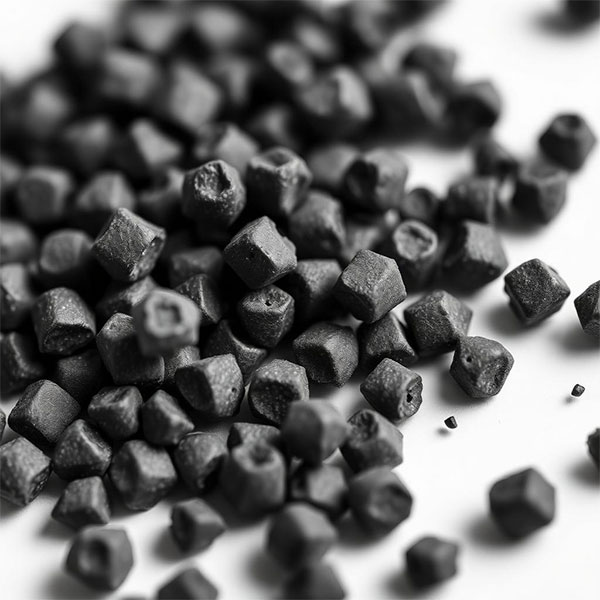
Acrylic acid catalyst
Highly selective catalytic solution for the two-stage oxidation of propylene to produce acrylic acid
HYD10B CO2 adsorption type
The HYD10B molecular sieve is a sodium aluminosilicate with a crystal pore size of 9–10 Å (about 0.9 nm). HYD10B molecular sieve has a large porous structure and high adsorption capacity.
Basic Dryer Series - HYG04C
The HYG04C molecular sieve is a sodium aluminosilicate with a crystal pore size of 4 Å (0.4 nm). Suitable for gas separation and purification systems requiring selective control of pore size. It is widely used in natural gas processing, PSA hydrogen production, hydrocarbon separation, petrochemical pretreatment and industrial gas purification, especially in applications that require the separation of normal hydrocarbons and the removal of specific impurities.
HYD08D N2O and HC adsorption type
The HYD08D molecular sieve is a sodium aluminosilicate with a crystal pore size of 8 Å (about 0.8 nm). Designed to remove nitrogen oxides and light hydrocarbons.
Molecular sieve HYZ05B
Synthetic zeolite with 5 Å pore size for selective removal of H₂S and mercaptans from natural gas and LPG while suppressing COS formation
Purification of olefins from alcohols-HYAX360
HYAX360 is a modified adsorbent whose optimized composition provides maximum adsorption capacity and low reactivity.
CO conversion catalyst
Catalytic-chemisorption material for deep removal of low concentrations of CO/H₂ in TSA air pre-treatment systems
HYDB100G (Na type, special for industrial oxygen generators)
The special molecular sieve HYDB100G is a sodium aluminosilicate with a crystal lattice pore size of about 9 Å (0.9 nm).
Ethylene oxide catalyst
Silver catalytic system for direct oxidation of ethylene to ethylene oxide
HYGB500B for oxygen production using pressure swing adsorption method
The special molecular sieve HYGB500B is a calcium-sodium aluminosilicate with a lattice pore size of 5 Å (0.5 nm). Adsorption material for drying light alcohols and for systems with increased requirements for moisture protection.
HYZ10G CO2 adsorption type
HYZ10G High efficiency molecular sieve III reinforced for cryogenic air separation (especially for high CO₂ concentrations)


