

Products

Ethylene oxide catalyst
Silver catalytic system for direct oxidation of ethylene to ethylene oxide
Description
marker
▎Product overview
The ethylene oxide catalyst is designed for the direct oxidation of ethylene with oxygen, and the industry standard is a silver catalyst system. The description should emphasize “high selectivity, low propensity for side reactions, proven industrial technology and stability in continuous operation.” The industrial route for producing ethylene oxide by ethylene oxidation has existed since 1931, and almost all industrial production is based on direct oxidation using a silver catalyst.
▎Process description
Ethylene reacts with oxygen or air on a silver catalyst to form ethylene oxide. The description should highlight the industrial maturity of the silver catalyst system in the ethylene epoxidation reaction, as well as its key role in ensuring selectivity and suppressing side reactions.
▎Key Benefits
• Proven industrial technology based on silver
• Optimized for direct ethylene epoxidation
• Emphasis on selectivity and stability of operation
• Suitable for large continuous installations
• Effectively suppresses adverse reactions
▎Main technical characteristics
• Ethylene oxide selectivity
• Ethylene conversion
• Control of reaction heat
• Catalyst life
• Layer stability
• Control of by-product formation
▎Typical Applications
• Ethylene oxide production plants
• Ethylene glycol production chain
• Product chain for further processing of ethylene oxide
The key value of this catalyst is to provide highly selective industrial epoxidation of ethylene in a silver catalyst system, rather than simple “oxidation” per se.
▎Frequently Asked Questions
Question: Why are catalysts for the production of ethylene oxide typically silver?
Answer: Because the most mature and widely used direct oxidation route in industry is the epoxidation of ethylene on a silver catalyst.
contact us
Related Popular Products
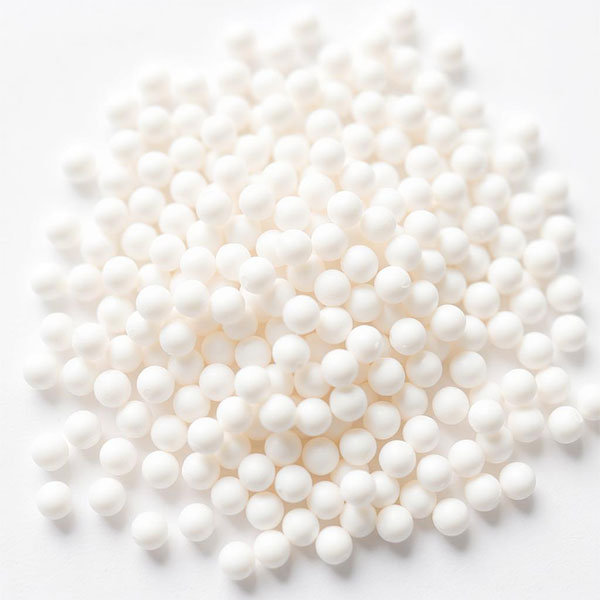
Drying Type Activated Aluminum Oxide
Highly efficient adsorption dryer for drying systems of industrial gases and liquids.
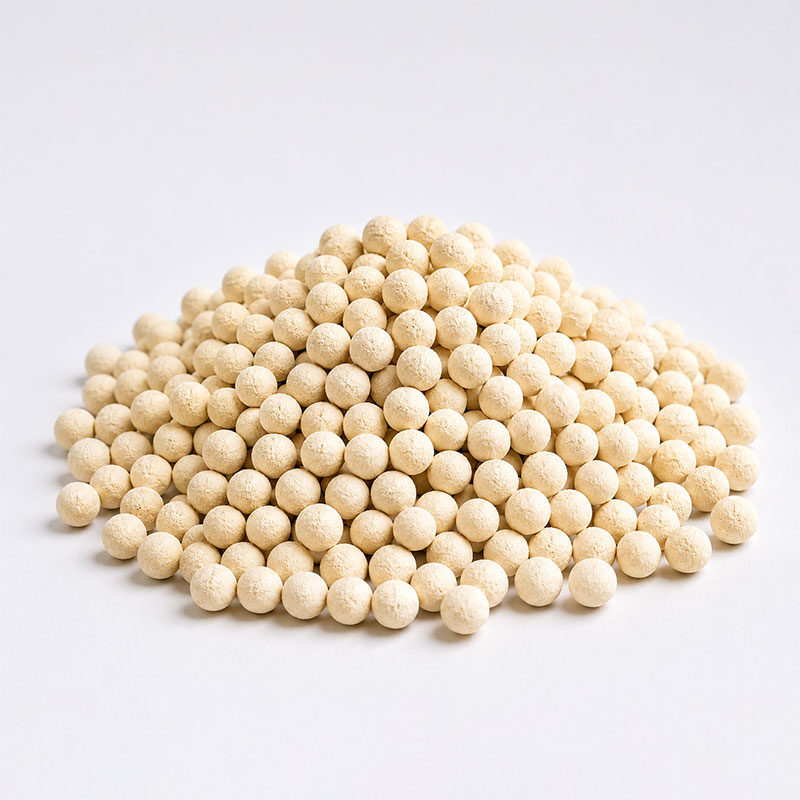
HYD10B CO2 adsorption type
The HYD10B molecular sieve is a sodium aluminosilicate with a crystal pore size of 9–10 Å (about 0.9 nm). HYD10B molecular sieve has a large porous structure and high adsorption capacity.
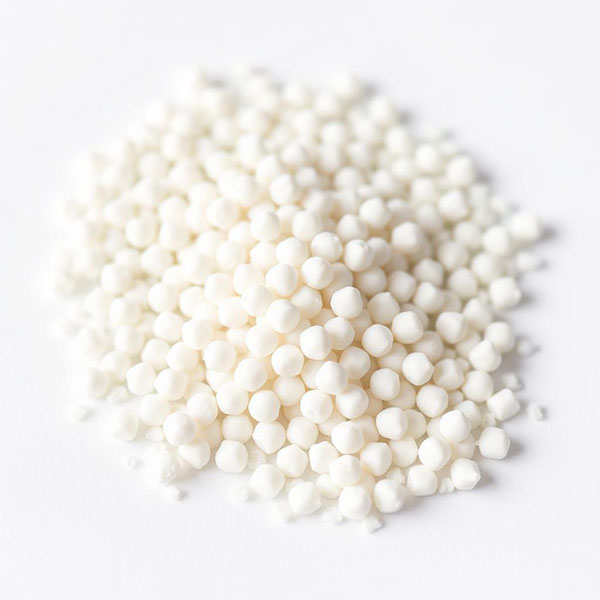
Molecular sieve HYZ05B
Synthetic zeolite with 5 Å pore size for selective removal of H₂S and mercaptans from natural gas and LPG while suppressing COS formation
HYD08D N2O and HC adsorption type
The HYD08D molecular sieve is a sodium aluminosilicate with a crystal pore size of 8 Å (about 0.8 nm). Designed to remove nitrogen oxides and light hydrocarbons.
Purification of olefins from alcohols-HYAX360
HYAX360 is a modified adsorbent whose optimized composition provides maximum adsorption capacity and low reactivity.
Basic dehumidifier series - HYD03B
Moisture-absorbing adsorption material for dehydration of light alcohols and systems with increased moisture protection
HYGB500A (PSA-H2) for hydrogen production using PSA method
The special molecular sieve HYGB500A is a calcium-sodium aluminosilicate with a crystal lattice pore size of 5 Å (0.5 nm).
HYGB100G (Li-LSX) Li type, special for industrial oxygen generators
The special molecular sieve HYGB100G is a lithium zeolite with a relatively stable aluminosilicate framework structure.
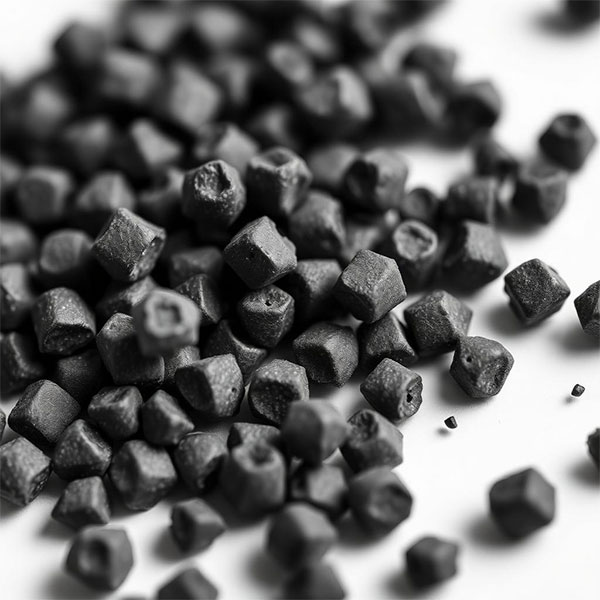
CO conversion catalyst
Catalytic-chemisorption material for deep removal of low concentrations of CO/H₂ in TSA air pre-treatment systems
Basic Dryer Series - HYD05C
The HYD05C molecular sieve is a calcium-sodium aluminosilicate with a crystal pore size of 5 Å (0.5 nm). Suitable for gas separation and purification systems requiring selective control of pore size. It is widely used in natural gas processing, PSA hydrogen production, hydrocarbon separation, petrochemical pretreatment and industrial gas purification, especially in applications that require the separation of normal hydrocarbons and the removal of specific impurities.
HYGB500B for oxygen production using pressure swing adsorption method
The special molecular sieve HYGB500B is a calcium-sodium aluminosilicate with a lattice pore size of 5 Å (0.5 nm). Adsorption material for drying light alcohols and for systems with increased requirements for moisture protection.
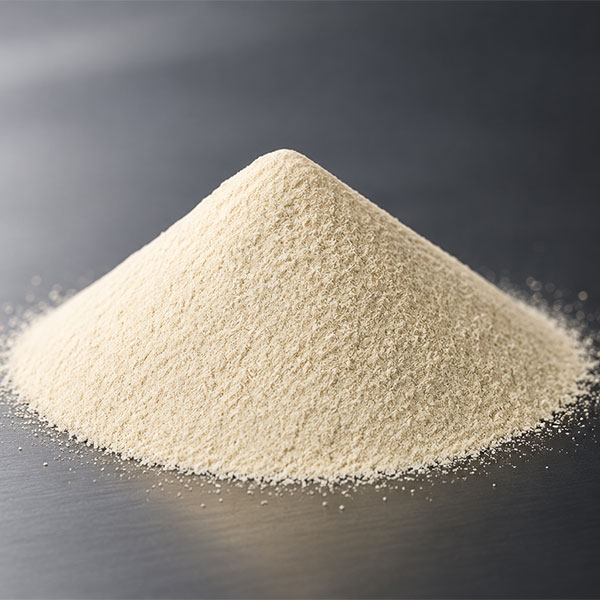
Activated Molecular Sieve Powder
Functional powder material for moisture control, foam removal and improved formulation stability.
Basic dehumidifier series - HYD10A
13X molecular sieve, high capacity adsorption material for air separation, oxygen production and deep gas purification
Basic Dryer Series - HYG04C
The HYG04C molecular sieve is a sodium aluminosilicate with a crystal pore size of 4 Å (0.4 nm). Suitable for gas separation and purification systems requiring selective control of pore size. It is widely used in natural gas processing, PSA hydrogen production, hydrocarbon separation, petrochemical pretreatment and industrial gas purification, especially in applications that require the separation of normal hydrocarbons and the removal of specific impurities.
HYZ10G CO2 adsorption type
HYZ10G High efficiency molecular sieve III reinforced for cryogenic air separation (especially for high CO₂ concentrations)
HYAN200 - adsorbent for chlorine removal
Highly efficient composite adsorption material for deep removal of chlorides from gases and liquids


