

Products

CO conversion catalyst
Catalytic-chemisorption material for deep removal of low concentrations of CO/H₂ in TSA air pre-treatment systems
Description
marker
▎Product overview
The CO conversion catalyst is specifically designed for TSA pretreatment units of large air separation units (ASUs) and high purity nitrogen production systems. Traditional activated alumina and 13X molecular sieve effectively remove moisture and CO₂ from compressed air, but for non-polar low molecular weight impurities such as CO and H₂, their physical adsorption capacity is extremely low, which does not allow deep cleaning to be achieved. This catalyst, due to the combined mechanism of low-temperature catalytic oxidation and chemisorption, ensures targeted conversion of CO into CO₂ and stable capture of trace amounts of H₂ in the multilayer structure of the layer, providing reliable protection for the subsequent cryogenic distillation column and the production of high-purity gases.
▎Process description
The catalyst is integrated into a multi-layer combined TSA layer and provides the conversion of CO to CO₂ through catalytic oxidation while trapping trace amounts of H₂ at chemisorption sites. The system operates stably during the adsorption cycle and is regenerated at a temperature of 180–200 °C with air or waste nitrogen. The key process design goal is not “ability to ignite a reaction,” but rather maintaining stable output and layer structure integrity over thousands of heating and cooling cycles.
▎Key Benefits
• Capable of deep catalytic oxidation of low CO concentrations
• Stable chemisorption of trace amounts of H₂
• Fully compatible with the TSA cycle at 180–200 °C
• Regeneration with air or exhaust nitrogen without an additional gas source
• Excellent long-term mechanical stability and layer reliability
▎Key technical indicators
• Outlet CO concentration
• Residual H₂ control level
• Ignition temperature and operating temperature range
• TSA regeneration temperature: 180–200 °C
• Crushing strength of granules
• Service life during cyclic regeneration
▎Typical Applications
• Air pre-treatment in large air separation units (ASU)
• High purity nitrogen/oxygen production systems
• Deep purification of industrial gases
• Key functional layer in TSA multi-layer composite layer
It is not a “general-purpose oxidation catalyst”, but a “specialized purification material targeting TSA cycle conditions and combining the functions of CO oxidation and H₂ chemisorption.”
▎Frequently Asked Questions
Question: Why can't traditional 13X molecular sieve replace CO conversion catalyst?
Answer: CO and H₂ are non-polar low-molecular substances, the physical adsorption capacity of the 13X molecular sieve for them is extremely low, and at the TSA regeneration temperature it is practically unable to retain them effectively. The CO conversion catalyst solves the problem of deep purification from non-polar impurities in a fundamentally different way: through the catalytic oxidation of CO into CO₂ and the removal of H₂ due to chemisorption.
contact us
Related Popular Products
Basic Dryer Series - HYD03C
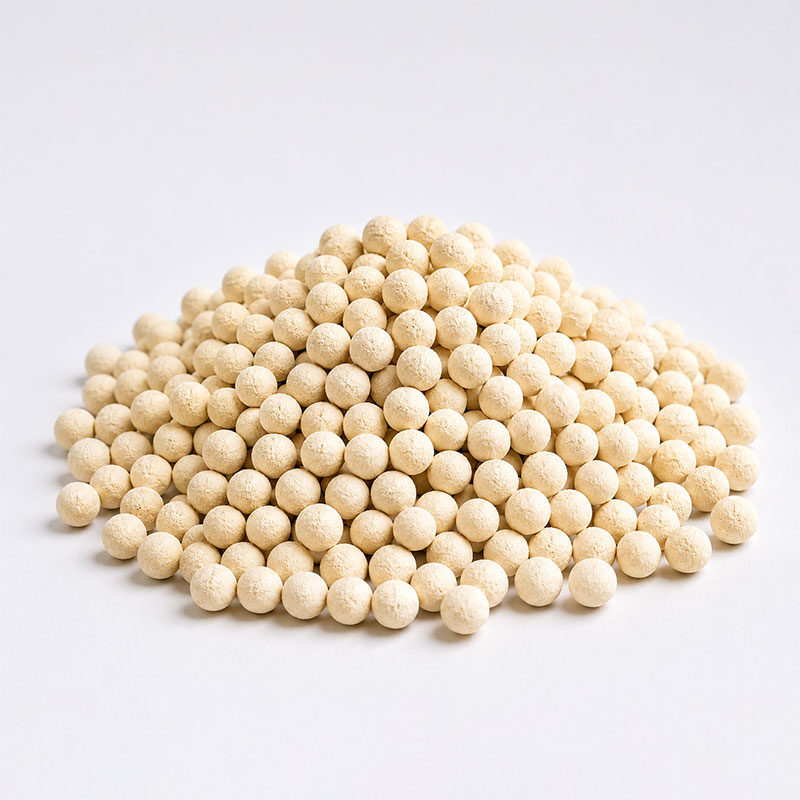
The HYG03C molecular sieve is a potassium sodium aluminosilicate with a crystal pore size of 3 Å (0.3 nm).
HYD10B CO2 adsorption type
The HYD10B molecular sieve is a sodium aluminosilicate with a crystal pore size of 9–10 Å (about 0.9 nm). HYD10B molecular sieve has a large porous structure and high adsorption capacity.
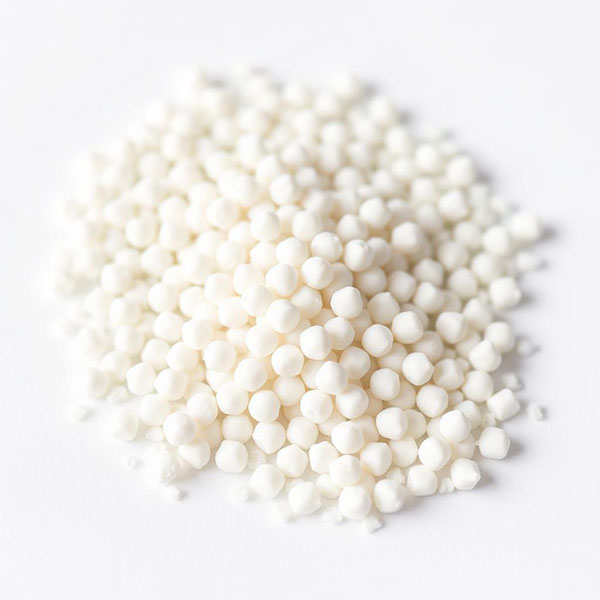
HYGB500B for oxygen production using pressure swing adsorption method
The special molecular sieve HYGB500B is a calcium-sodium aluminosilicate with a lattice pore size of 5 Å (0.5 nm). Adsorption material for drying light alcohols and for systems with increased requirements for moisture protection.
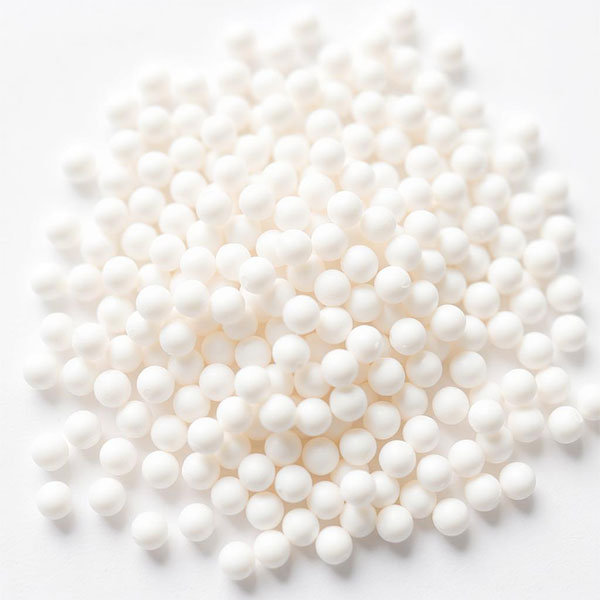
Drying Type Activated Aluminum Oxide
Highly efficient adsorption dryer for drying systems of industrial gases and liquids.
HYGB500A (PSA-H2) for hydrogen production using PSA method
The special molecular sieve HYGB500A is a calcium-sodium aluminosilicate with a crystal lattice pore size of 5 Å (0.5 nm).
HYAN200 - adsorbent for chlorine removal
Highly efficient composite adsorption material for deep removal of chlorides from gases and liquids
Basic dehumidifier series - HYD03B
Moisture-absorbing adsorption material for dehydration of light alcohols and systems with increased moisture protection
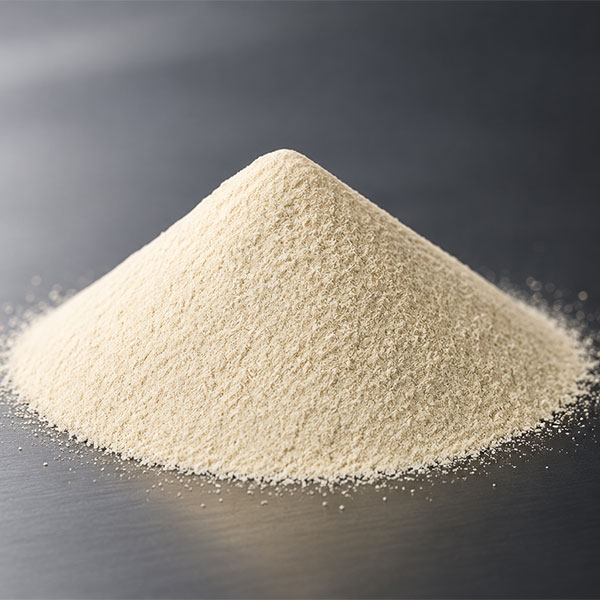
Activated Molecular Sieve Powder
Functional powder material for moisture control, foam removal and improved formulation stability.
HYDB100G (Na type, special for industrial oxygen generators)
The special molecular sieve HYDB100G is a sodium aluminosilicate with a crystal lattice pore size of about 9 Å (0.9 nm).
HYAF200 - adsorbent for removing fluoride from liquids
Irreversible chemical cleaning material for deep removal of fluoride from the liquid phase
Basic Dryer Series - HYG04C
The HYG04C molecular sieve is a sodium aluminosilicate with a crystal pore size of 4 Å (0.4 nm). Suitable for gas separation and purification systems requiring selective control of pore size. It is widely used in natural gas processing, PSA hydrogen production, hydrocarbon separation, petrochemical pretreatment and industrial gas purification, especially in applications that require the separation of normal hydrocarbons and the removal of specific impurities.
HYZ10G CO2 adsorption type
HYZ10G High efficiency molecular sieve III reinforced for cryogenic air separation (especially for high CO₂ concentrations)
Basic dehumidifier series - HYD10A
13X molecular sieve, high capacity adsorption material for air separation, oxygen production and deep gas purification
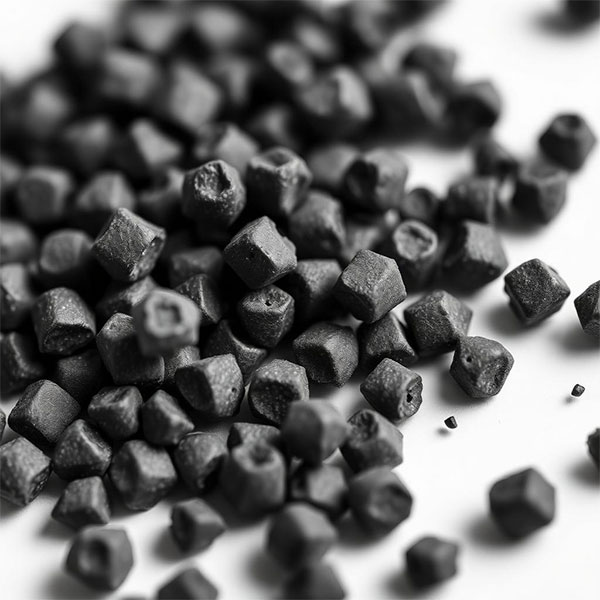
Acrolein catalyst
Industrial catalytic system for the selective oxidation of propylene to produce acrolein
HYG10ED CO2 adsorption type
HYG10ED is a highly efficient II generation molecular sieve for cryogenic air separation.
Acrylic acid catalyst
Highly selective catalytic solution for the two-stage oxidation of propylene to produce acrylic acid


